

Vienna has a reputation for being expensive. Imperial palaces, classical concerts, historic cafés… it’s easy to assume that everything here comes with a ticket.
But once you spend a bit of time in the city, that idea starts to shift. A surprising part of Vienna is simply there, out in the open. You don’t need to queue up or book anything in advance to get a sense of what makes this place special. In fact, some of the moments that stay with you most are the ones where you’re just walking, looking around, and letting the city unfold.
That’s also where a lot of “free things to do in Vienna” lists go wrong. They often include places that are technically free, but in reality feel like a teaser for something you’re expected to pay for. This guide focuses on the opposite: places that genuinely work without spending money, and don’t feel like a compromise.
What can you do in Vienna for free?
In Vienna, many of the best experiences don’t require a ticket. Walking through the historic centre, visiting palace gardens, stepping into churches and exploring parks already gives you a strong sense of the city.
Below you’ll find the places that actually work — not just because they are free, but because they are worth your time.
Walking Vienna instead of ticking it off

If there’s one thing Vienna does exceptionally well, it’s rewarding you for slowing down. You don’t have to rush from museum to museum to feel like you’ve seen the city. Quite the opposite.
Walking along the Ringstraße is probably the best example of that. This wide boulevard circles the historic centre and quietly connects some of Vienna’s most impressive buildings. Parliament, City Hall and the State Opera are all part of this route, without being locked behind ticket barriers.
What I like about this is how natural it feels. You’re not really “doing an attraction”, you’re just moving through the city. The architecture, the scale and even the rhythm of trams passing by all come together without effort.
Read more about the Ringstrasse in Vienna
Schönbrunn: where outside is often enough
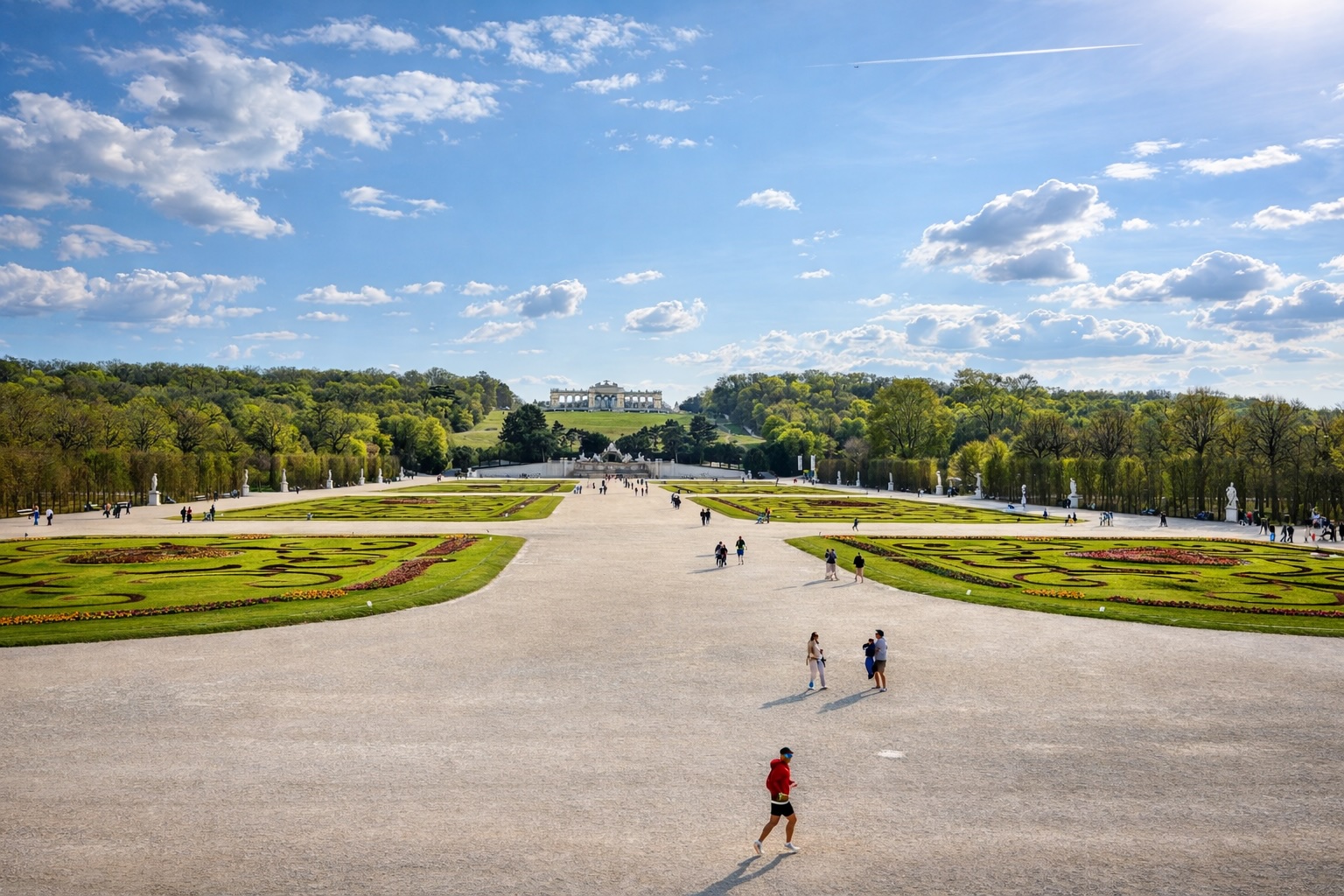
Schönbrunn is one of those places people tend to overplan. There are tickets, guided routes and different palace tours, and it can feel like you need to figure it all out in advance.
But the gardens are free, and that already changes the experience completely.
Walking through the grounds towards the Gloriette, you realise how much space there is. It doesn’t feel like a single attraction, but more like a landscape you can move through at your own pace. People sit on the grass, walk slowly and take in the view over Vienna.
For many visitors, this is already enough. The outside gives you the scale and atmosphere without the crowds inside the palace.
Read more about the parks of Schönbrunn
Stepping into St. Stephen’s Cathedral

Right in the centre of Vienna, surrounded by shops and street life, you’ll find St. Stephen’s Cathedral.
The main part of the cathedral is free to enter, which makes it very accessible. You don’t need to plan anything, you can simply walk in.
It’s often busy, but it still works. As soon as you step inside, the noise drops and the space opens up. Even a short visit here gives you a different perspective on the city.
Read more about the Stephen’s Cathedral
Stadtpark: a break without leaving the city

Vienna can feel quite grand and, at times, a bit overwhelming with its architecture and history. Stadtpark offers a different pace.
You’ll immediately recognise the golden statue of Johann Strauss, but the park itself is what makes this place useful during your day. It’s somewhere to pause and slow down without stepping away from the city completely.
Because locals use it as much as visitors, it feels more relaxed than many other central spots.
The Hofburg without going inside
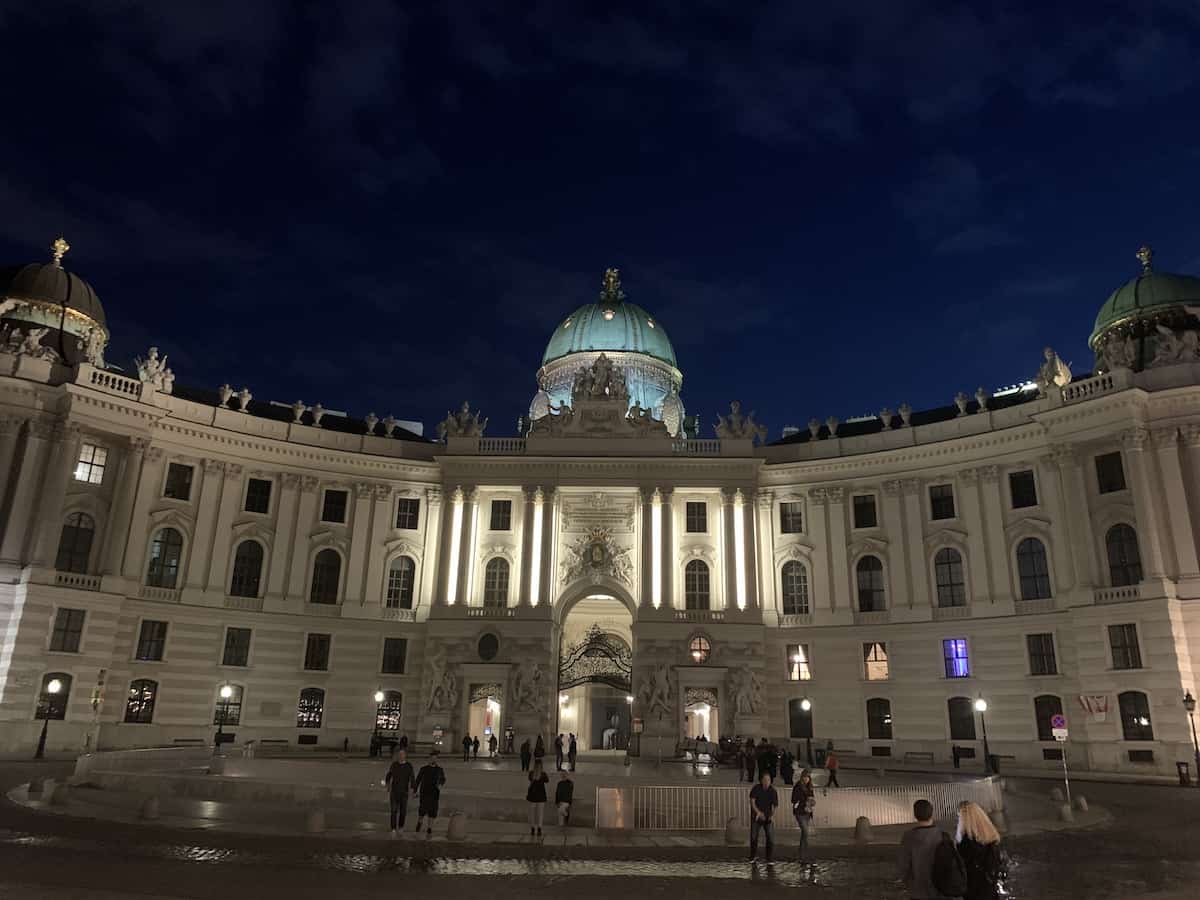
The Hofburg is enormous, and it’s easy to assume you need a ticket to experience it properly. But walking through the courtyards already gives you a strong sense of its scale and importance.
The layout, the buildings and the open squares tell their own story. You don’t necessarily need an audio guide or museum visit to understand what this place represents.
In Vienna, a lot of history is visible without having to go inside.
Karlskirche as a natural stop
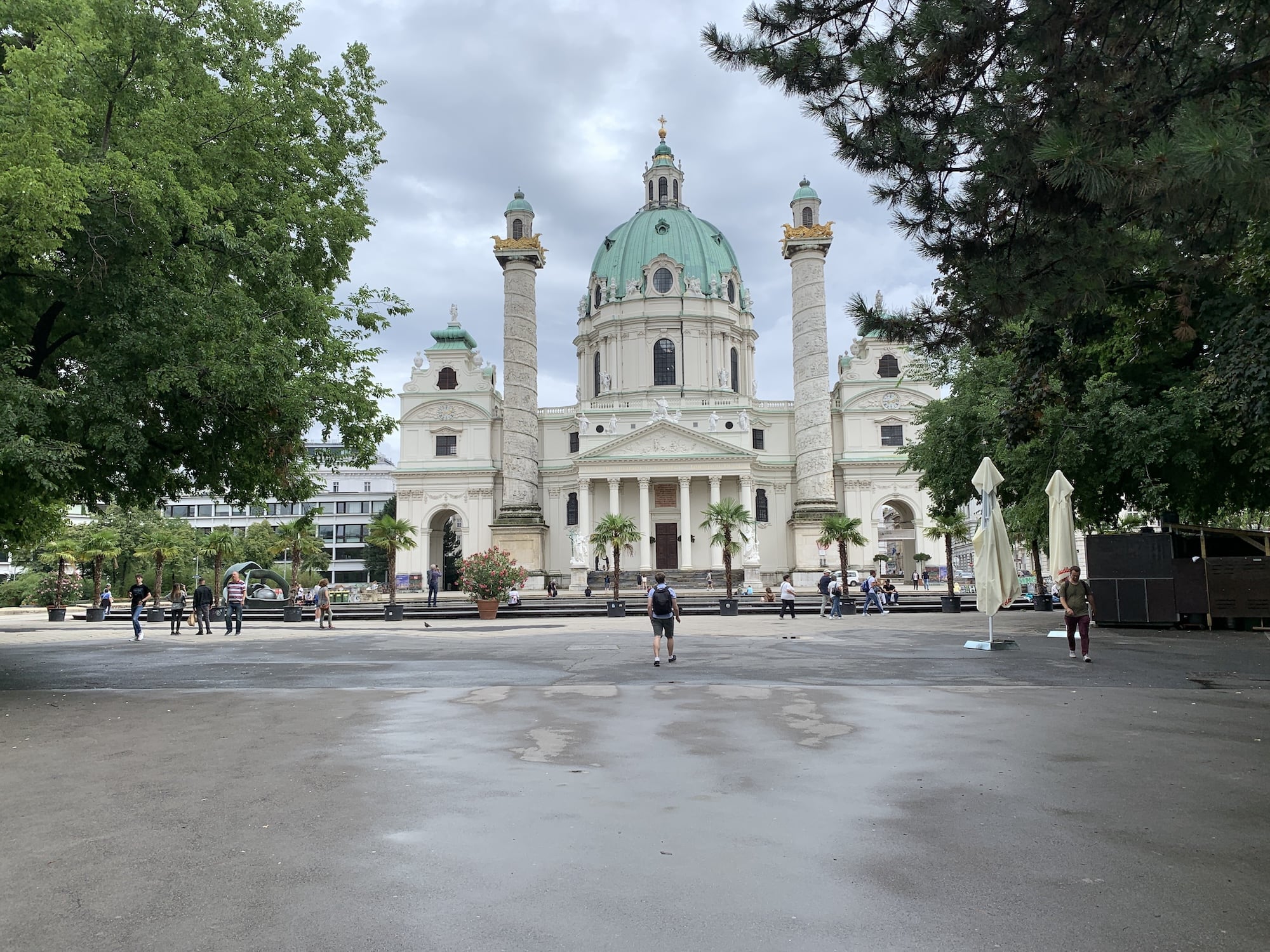
Karlskirche is one of those places where you slow down without planning to.
With the reflecting pool in front, it’s one of the most photogenic spots in Vienna. You might just pass by, but chances are you’ll stop for a moment and take it in.
The interior requires a ticket, but outside already offers the full visual impact.
Belvedere: quieter, but just as rewarding
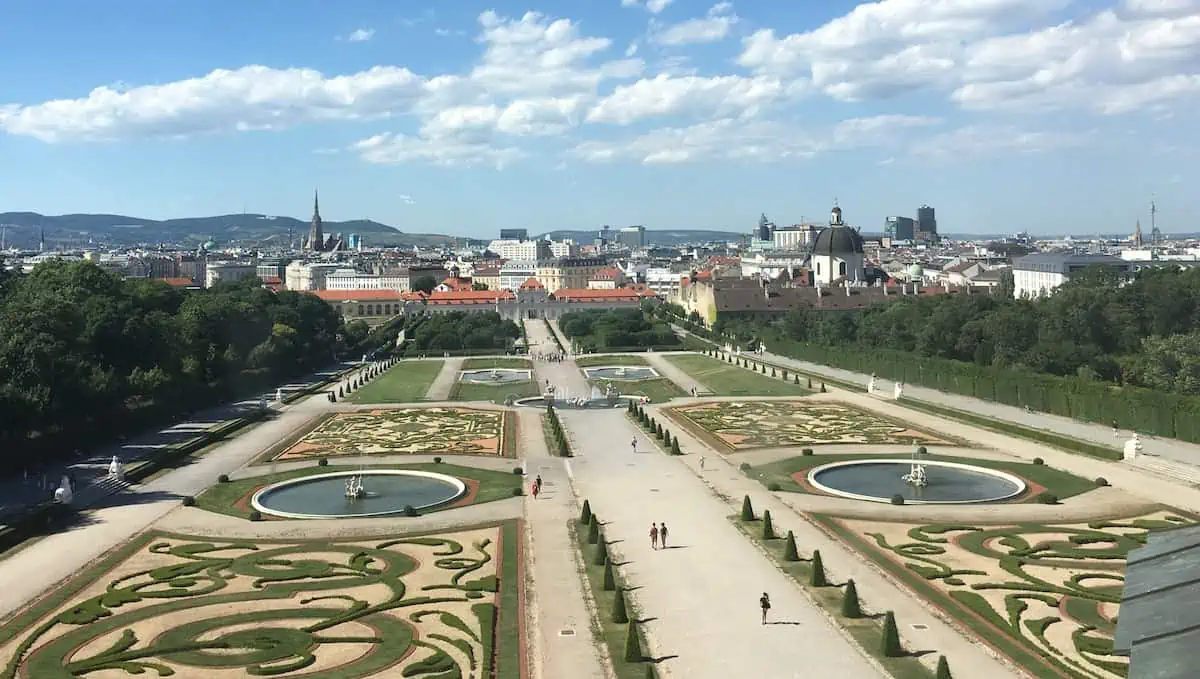
The gardens of Belvedere are free and often feel a bit calmer than Schönbrunn.
You still get the symmetry, the perspective towards the palace and that classic Vienna atmosphere, but with fewer crowds. This makes it easier to explore at your pace.
If Schönbrunn feels too busy, this is a very good alternative.
Naschmarkt and a different side of Vienna
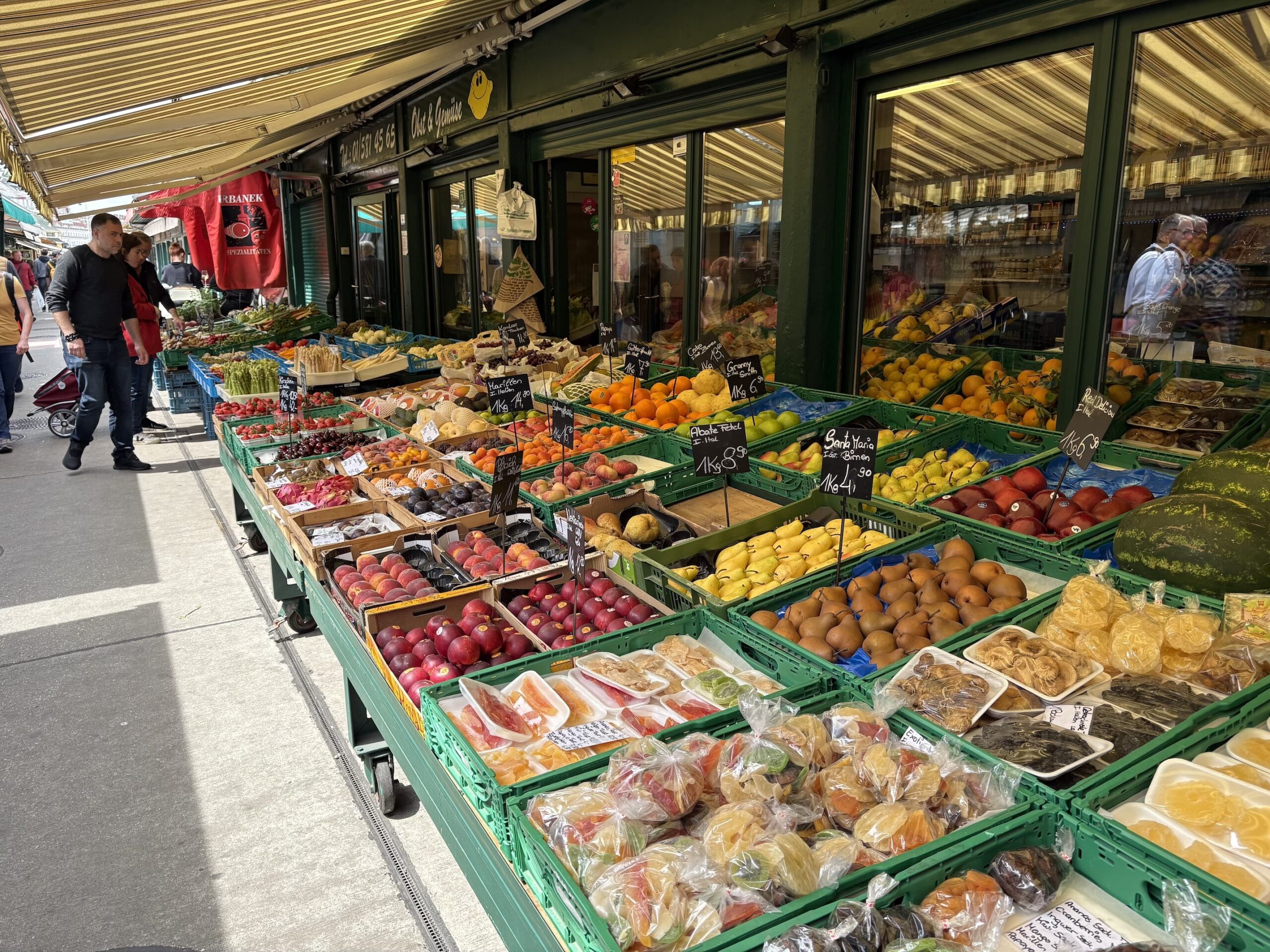
Naschmarkt shows a different side of the city. Less formal, less imperial, more everyday life.
Walking through the market doesn’t cost anything, although it can be tempting to stop at one of the many food stalls. Even without buying anything, it’s worth visiting for the atmosphere alone.
It adds a different rhythm to your day in Vienna.
Read more about the markets in Vienna
Free things to do in Vienna with kids
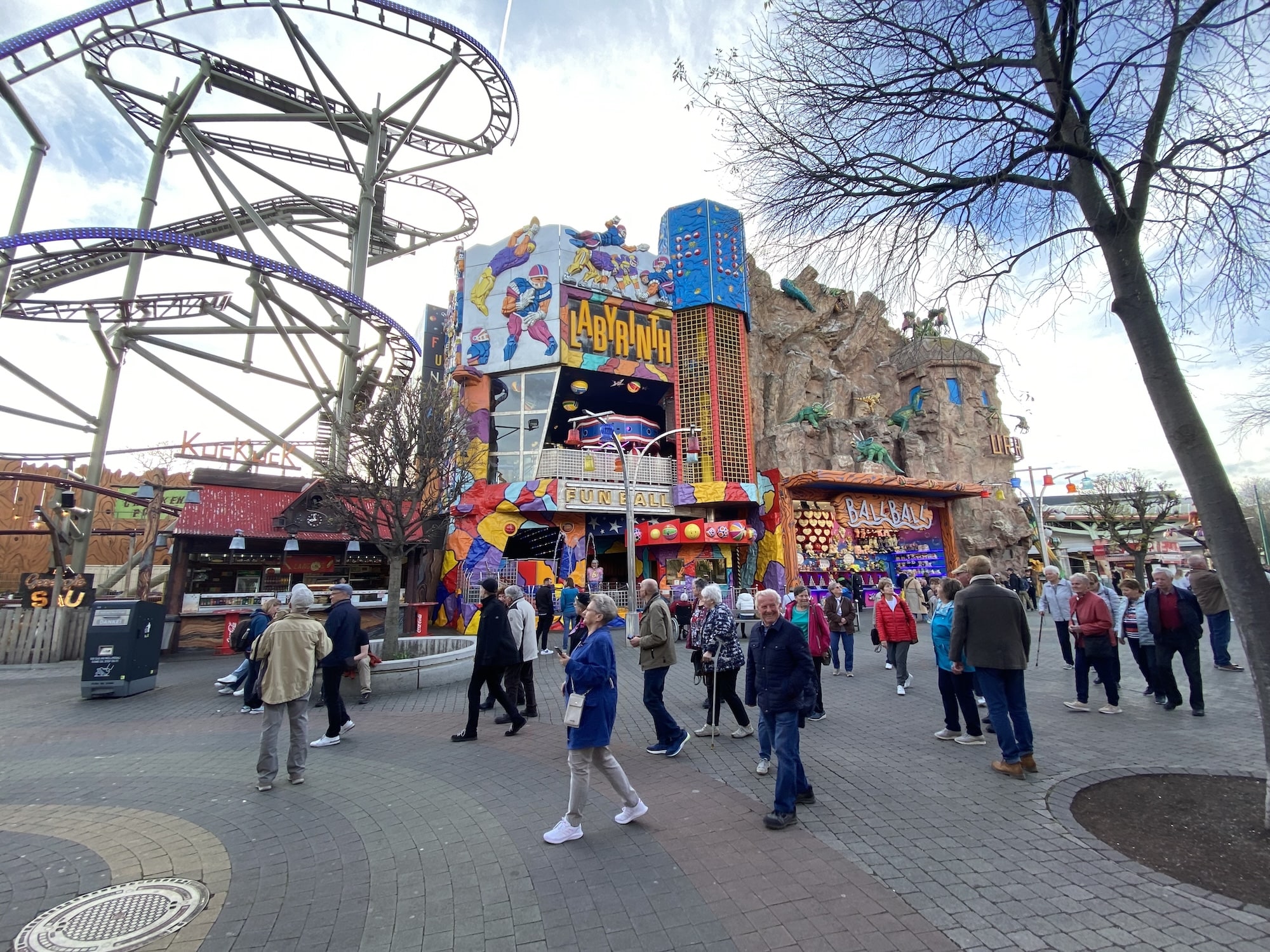
This is where it helps to be a bit realistic.
Places like the Prater are typically mentioned as “free”, but for children this usually means walking past attractions they cannot use without paying. That can quickly become frustrating.
If you want something that actually works, it’s better to focus on places where children have space to move. The gardens of Schönbrunn are a good example, as well as areas along the Danube when the weather is nice.
In those places, being there is already enough.
How to experience Vienna without spending much
Trying to do Vienna completely for free is probably not the goal. You would end up skipping some highlights that are genuinely worth it.
But combining free places like these with a few paid attractions changes the rhythm of your trip. Instead of moving from one ticketed highlight to the next, you start to experience the city in between.
And that is often where Vienna is at its best.